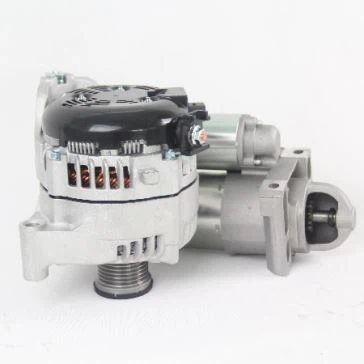

What is Alternator for Bosch
An alternator is an important component in a vehicle's electrical system that converts mechanical energy into electrical energy. Bosch is a well-known brand that manufactures various automotive components, including alternators. Bosch alternators are widely used in various vehicles, such as cars, trucks, and motorcycles, due to their reliability and efficiency in generating electrical power. These alternators are designed to produce a consistent and stable output voltage to power the vehicle's electrical system and recharge the battery. Additionally, Bosch alternators are designed to be durable, long-lasting, and require minimal maintenance.
Advantages of Alternator for Bosch
Efficient electrical energy generation:Alternators are designed to generate electrical energy more efficiently than other types of generators. This means that they waste less energy in the conversion process.
High power output:Alternators are designed to produce a high amount of electrical power in a compact and lightweight package. This makes them an ideal choice for a variety of applications, from automotive to marine to industrial.
Low maintenance:Bosch alternators are known for their reliability and low maintenance requirements. They are designed to last for a long time without needing any major repairs or replacements.
Improved fuel efficiency:Alternators can improve the fuel efficiency of vehicles by reducing the load on the engine. This translates into better fuel economy and lower emissions.
Easy installation:Bosch alternators are designed to be easy to install, making them a popular choice for DIY enthusiasts and professional mechanics alike.
Versatility:Alternators can be used in a variety of applications, from powering small appliances to generating electricity for entire buildings. This makes them a versatile and valuable tool in many different industries.


Why choose us

01
Quality assurance
Excellent machinery and equipment companies prioritize quality in their products. They use high-quality materials and advanced manufacturing techniques to ensure that their equipment is durable, reliable, and efficient.

02
Wide range of products
Excellent machinery and equipment companies offer a wide range of products to cater to different industries and applications. This means you can easily find equipment that meets your specific needs.

03
Competitive pricing
Despite offering high-quality equipment, excellent machinery and equipment companies often offer competitive pricing. This means you get value for your money, and you can invest in durable equipment without breaking the bank.

04
Innovation
Excellent machinery and equipment companies are often at the forefront of technological innovation, offering state-of-the-art equipment that features advanced automation, digitalization, and safety features. This means you can stay ahead of the curve and benefit from the latest advancements in your industry.
Alternator for Bosch Product Features
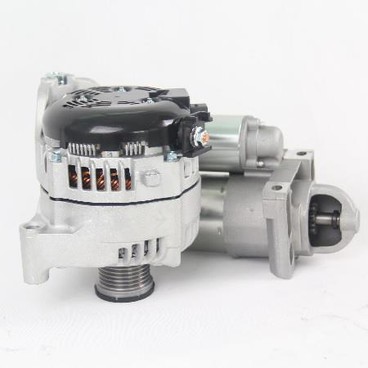
High-quality materials
Bosch alternators are built with high-quality materials to ensure their durability and reliability.

Efficient power generation
The alternator generates power effectively, even at low speeds, to ensure that you always have the power you need to keep your vehicle running.
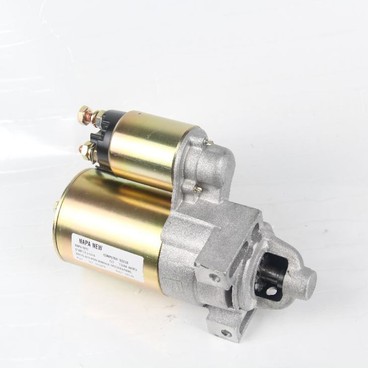
Advanced technology
Bosch alternators are designed using advanced technology to maximize their output and energy efficiency.
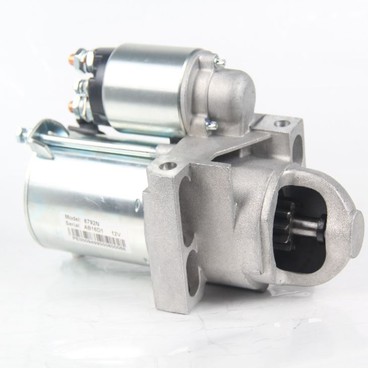
Designed for easy installation
The alternator is designed to be easy to install, with clear instructions provided to help you through the process.
Superior performance
Bosch alternators are known for their superior performance, providing sufficient power to keep the vehicle running smoothly even in tough conditions.
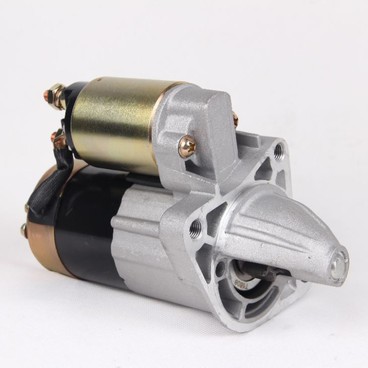
Compact design
The alternator has a compact design, making it easy to fit into tight spaces under the hood of your vehicle.
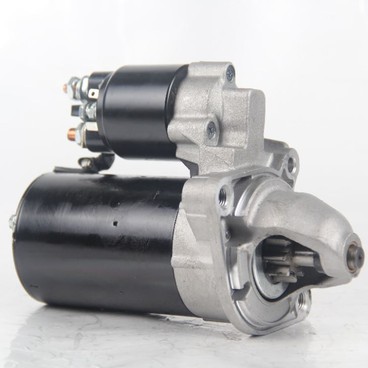
High output
The alternator provides a high output of electrical energy, providing sufficient power to run all the electrical systems in the vehicle.

Reliability
Bosch alternators are highly reliable, ensuring that your vehicle always has the power it needs to operate effectively.
How an Alternator Works?
1.Alternator Parts
Regardless of the types of alternator, it generally has three parts: the stator, the rotor, and the diode, plus a voltage regulator.
2.Rotor and Stator
A rotor and an alternator stator are a group of magnets driven by a belt that creates a magnetic field inside the copper wiring. A pulley connecting to the motor enables the rotor to rotate at high speed that creates a magnetic field that is used as the belt.The stator then creates electricity and voltage to flow into the diode mounting. The created electricity is called, alternating current or AC.
3.Diode Assembly
DC, the current type used by car batteries, is converted into direct current by an alternator's diode assembly (AC). The two-terminal diode assemblage works by allowing only one direction to flow the electricity generated by the stator.
4.Voltage Regulator
To control the charging process, the voltage regulator controls the power supply from the alternator to the battery. Regulators are designed and work according to their specifications, with different functions.
5.Alternator functions
The alternator is an essential part of any vehicle's power system. The main function of the alternator is to convert mechanical energy into electrical energy, which it uses to charge the battery electrically. It also supplies power to the other electrical components of the vehicle.
6.Battery Recharge
No matter what types of alternator we have, the key feature of any alternator is the generation of battery electricity. Depending on the terrain and whether you use other electricity drain functions such as headlights or radio, it could take about 20 to30 minutes to get a new car battery with a non-properly functioning alternator. The alternator recharges the battery while using the car to make sure your battery is good for a long time.
7.From Mechanical Energy to Electrical Energy
The pistons in the crankshaft, where the combustion happens, are taken out of the gas tank. The crankshaft transmits the explosive energy from the combustion to an alternator-connected serpentine belt. When the pulley on the alternator rotates, a magnet and a coil convert mechanical energy into electric energy and generate electricity.
8.Powering Accessories
Most of the electrical systems consist of an alternator, although some power can be taken from the battery directly. One of the components of the electrical part of any car is the alternator, and if it is suspected as not working properly, you can use the least electricity to go where you can fix your alternator.
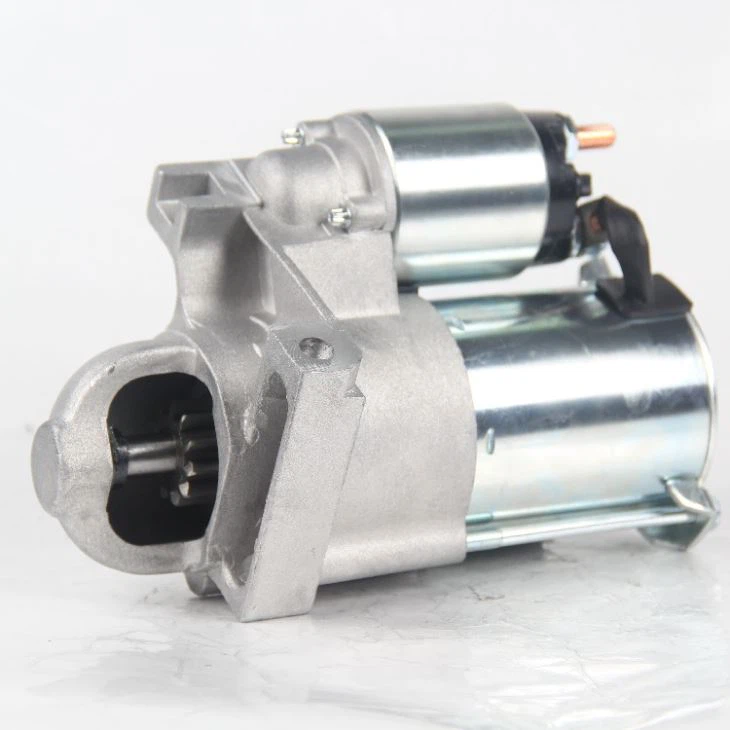
What is the difference between a generator and an alternator?
A generator converts mechanical power into fuel or electricity. It has a revolving rectangular coil that rotates around its axis in the magnetic field. Two slip rings are connected to the ends of the coil. The slip ring absorbs the induced current of the coil and transfers it to external load resistance R. The rotating coil is known as the copper-made armature
-
An alternator is a machine that converts the mechanical electricity from the primary mover into the AC, while the generator converts the main mover's mechanical energy into an AC or DC.
-
An alternator has a rotating magnetic field yet a generator has a rotating magnetic field for the generation of high voltage and a stationary low voltage magnetic field.
-
nput is supplied by the alternator from the stator, but in the generator, it is supplied by the rotor.
-
An alternator's armature is stationary but it rotates in a generator.
-
The generator output voltage is variable and the generator output voltage is constant.
-
While the alternator does not charge the battery which is completely dead, the generator does.
-
The alternator output is more powerful than the generator output.

What you should know when use Alternator for Bosch
Ensure that the alternator is compatible with your vehicle's make and model.
Check the alternator's output rating to ensure it meets your vehicle's electrical needs.
Inspect the alternator for any signs of wear or damage before installing it.
Properly connect the alternator's wiring and grounding to prevent electrical issues.
Follow the manufacturer's recommended maintenance schedule to keep the alternator functioning properly.
In case of any issues with the alternator, seek assistance from a professional mechanic or consult the manufacturer's customer support service.


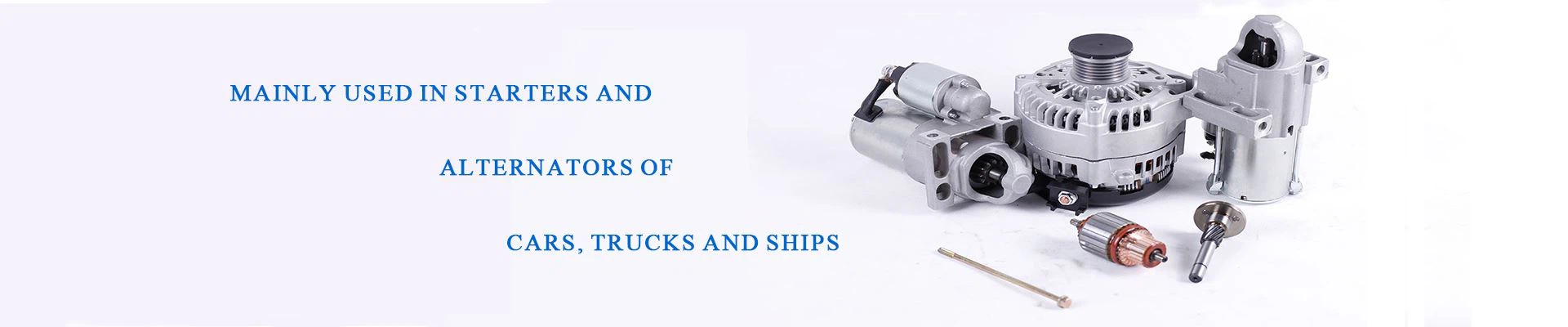
We are professional manufacturer of Alternators, Starter Motors, and DC Motors. And have more than 15 years Manufactruring & export experience.
We have developed over 1500 new units in the pass 15 years and are continuing to add new part numbers every month.
We now have 6 sets of DV testers for starters 2 sets of DV testers for alternators. What's more, we have 3 sets of domestic testers, solenoid tester , 4 production lines for armature, machining center for shaft and housings. Total quantity of our equipment is around 300 sets.
Our prodauct are sold to America, Europe , Southeast Asia, etc.. And meanwhile, we are making efforts to expand business of aftermarket and OEM as well.
FAQ
Q: How long should a Bosch alternator last?
Q: When should an alternator be replaced?
Q: How long should alternator last?
Q: What makes the alternator work?
Q: How does an alternator charge a battery?
Q: Does an alternator need a voltage regulator?
Q: How does an alternator regulator work?
Q: How do you test an alternator regulator?
Q: What are the connections on an alternator?
Q: How is the alternator driven by the engine?
Q: Does alternator have brushes?
Q: What is the purpose of the brushes in the alternator?
Q: How long does an alternator take to charge a battery?
Q: Can an alternator slowly go bad?
Q: Why do alternators fail?
Q: What is the longest an alternator can last?
Q: How can I make my alternator last longer?
Q: Can an alternator fully charge a battery?
Q: Which type of regulator is used in an alternator?
Q: What determines the power of an alternator?
Hot Tags: 12v alternator for bosch-factory, China, suppliers, manufacturers, factory, wholesale, buy, price, made in China, 180A Alternator For Bosch, Alternator For Bosch, 12V Alternator For Bosch