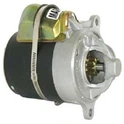

Upgrading a Denso alternator can be a smart move for many vehicle owners looking to improve their electrical system's performance. But here's the big question: Are there any compatibility issues when you go ahead with this upgrade? As a supplier of Alternator For Denso, I've seen it all, and I'm here to break it down for you.
First off, let's talk about what an alternator does. It's like the heart of your vehicle's electrical system. It takes mechanical energy from the engine and turns it into electrical energy to power all the electrical components in your car, like the lights, radio, and the ignition system. When your alternator starts to wear out or you need more power for additional accessories, upgrading becomes a consideration.
Now, the potential compatibility issues. One of the most common problems is the physical fit. Denso alternators come in different shapes and sizes, and each model is designed to fit specific vehicle makes and models. If you pick the wrong alternator, it simply won't bolt into place. You might end up with holes that don't line up, or it might be too big or too small for the mounting bracket. That's why it's super important to double - check the part number and the vehicle compatibility before making a purchase.
Electrical compatibility is another major concern. Different alternators have different output ratings. For example, you might be looking at a 80A Alternator for Denso. An 80 - amp alternator will put out more power than a lower - amp one. If your vehicle's electrical system is designed to work with a lower - output alternator and you install a high - output one, it could cause problems. The voltage regulator in your vehicle might not be able to handle the extra power, leading to overcharging of the battery. On the flip side, if you install a lower - output alternator than what your vehicle needs, your battery might not get charged properly, and you could end up with a dead battery after a short drive.
The pulley size and belt configuration also play a crucial role in compatibility. The alternator pulley needs to be the right size so that the belt can drive it at the correct speed. If the pulley is too small or too large, the alternator won't spin at the optimal speed, and it won't generate the right amount of power. Plus, the belt tension needs to be just right. A loose belt can slip, reducing the alternator's efficiency, while a too - tight belt can put extra stress on the alternator bearings and other components.
Another thing to consider is the wiring. The electrical connections on the alternator need to match those in your vehicle. Some alternators have different terminal configurations, and if you connect the wires incorrectly, it can lead to electrical shorts, blown fuses, or even damage to the alternator itself. You might need to make some modifications to the wiring harness, which can be a bit tricky if you're not familiar with automotive electrical systems.
Let's take a look at some specific scenarios. Say you have an older vehicle with a 12 - volt electrical system. You might be interested in a 12V Alternator For Denso - factory. These alternators are designed to work with 12 - volt systems, but you still need to make sure the other aspects of compatibility are met. The internal components of the alternator, like the stator and the rotor, need to be compatible with your vehicle's electrical load requirements.
If you've added a lot of aftermarket accessories to your vehicle, such as a high - powered sound system or extra lighting, you'll need an alternator that can handle the increased electrical demand. A 12V Alternator for Denso might be a good option, but you have to ensure that it can supply enough power without causing compatibility issues.
As a supplier, I've helped many customers navigate these compatibility issues. We offer a wide range of Denso alternators, and our team can assist you in finding the right one for your vehicle. We understand that getting the right alternator is crucial for the proper functioning of your vehicle's electrical system.
Before you make a purchase, here are some steps you can take to minimize compatibility issues. First, check your vehicle's owner's manual. It usually has information about the correct alternator specifications for your vehicle. You can also consult with a professional mechanic. They have the experience and knowledge to help you pick the right alternator and can even install it for you.
In conclusion, while there can be compatibility issues when upgrading a Denso alternator, with the right research and guidance, you can avoid them. At our company, we're committed to providing high - quality alternators and excellent customer service. If you're thinking about upgrading your Denso alternator, don't hesitate to reach out to us. We can help you find the perfect alternator for your vehicle and ensure a smooth installation process. Whether you're a DIY enthusiast or a professional mechanic, we're here to support you in getting the best performance from your vehicle's electrical system.


If you're interested in purchasing a Denso alternator or have any questions about compatibility, feel free to contact us for more information and to start a purchase negotiation.
References
- Automotive Electrical Systems Manuals
- Denso Alternator Technical Documentation