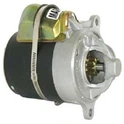

As a supplier of the 12V Starter - Hitachi DD, I've often received inquiries from customers wondering if this particular starter can be used in a tractor. This question is crucial because tractors are heavy - duty machines that require reliable starting systems to function efficiently. In this blog, I'll delve into the technical aspects, performance capabilities, and compatibility factors to help you determine whether the 12V Starter - Hitachi DD is a suitable choice for your tractor.
Technical Specifications of the 12V Starter - Hitachi DD
First, let's understand the key technical features of the 12V Starter - Hitachi DD. It operates on a 12 - volt electrical system, which is a common standard in many vehicles, including some tractors. The starter is designed with precision engineering, using high - quality materials to ensure durability and consistent performance.
The motor inside the 12V Starter - Hitachi DD is built to generate sufficient torque to crank an engine. Torque is the rotational force that gets the engine's pistons moving, and in a tractor, a high - torque starter is essential, especially considering the large engines and heavy loads these machines often handle.
There are also different power ratings available within the Hitachi DD starter series. For instance, the 0.4KW Starter - Hitachi DD offers a specific power output that might be suitable for smaller tractors or those with less demanding starting requirements. The power rating is an important factor as it determines how quickly and effectively the starter can turn over the engine.
Another feature is the pinion design. The 9 - Tooth Pinion Starter - Hitachi DD has a 9 - tooth pinion gear. The pinion gear engages with the flywheel of the engine, and the number of teeth on the pinion can affect the engagement and overall performance. A well - designed pinion ensures smooth and reliable starting.
Compatibility with Tractor Engines
When considering using the 12V Starter - Hitachi DD in a tractor, engine compatibility is the primary concern. Different tractors come with various engine sizes, types, and compression ratios.
Engine Size: Larger tractor engines typically require more torque to start. If the engine has a large displacement, say over 5 liters, it will need a starter with a higher power output. The 12V Starter - Hitachi DD may have different models with varying power ratings to match different engine sizes. However, for extremely large and heavy - duty tractor engines, it's important to ensure that the starter can provide enough torque. Some smaller tractors with engines in the 1 - 3 liter range may find the 0.4KW Starter - Hitachi DD more than sufficient.
Engine Type: Tractors can have diesel or gasoline engines. Diesel engines generally have a higher compression ratio compared to gasoline engines. This means that diesel engines require more torque to start because the air - fuel mixture in a diesel engine is compressed to a much higher degree before ignition. The 12V Starter - Hitachi DD is designed to handle the demands of both types of engines, but when using it with a diesel tractor, it's crucial to select a model with an appropriate power rating.
Compression Ratio: Engines with a high compression ratio need a starter that can overcome the extra resistance during the cranking process. A starter with insufficient torque may struggle to turn over an engine with a high compression ratio, leading to slow or failed starts. The Hitachi DD starters are engineered to provide the necessary torque to handle a wide range of compression ratios, but again, proper selection based on the tractor's engine specifications is key.
Environmental and Operational Considerations
Tractors often operate in harsh environments, and the starter needs to be able to withstand these conditions.
Temperature: Extreme temperatures can affect the performance of a starter. In cold weather, the engine oil thickens, and the battery's output may decrease, making it more difficult to start the engine. The 12V Starter - Hitachi DD is designed to perform well in a wide temperature range. However, in extremely cold climates, additional measures such as using a block heater or a high - performance battery may be necessary to ensure reliable starting.
Dust and Moisture: Tractors work in dusty fields and may be exposed to rain or water. The starter should be protected against dust and moisture to prevent damage to its internal components. The Hitachi DD starters are built with seals and protective coatings to resist dust and moisture ingress, but proper installation and maintenance are still required to ensure long - term performance.
Vibration: Tractors generate a significant amount of vibration during operation. Excessive vibration can loosen connections and damage internal parts of the starter. The 12V Starter - Hitachi DD is designed with vibration - resistant features, but it's important to ensure that the starter is properly mounted to minimize the effects of vibration.
Installation and Maintenance
Proper installation of the 12V Starter - Hitachi DD is crucial for its performance in a tractor. Incorrect installation can lead to problems such as poor engagement with the flywheel, electrical issues, or premature wear of components. It's recommended to follow the manufacturer's installation instructions carefully. This may include ensuring the correct alignment of the starter, proper connection of the electrical wires, and tightening of all mounting bolts to the specified torque.
Maintenance is also an important aspect. Regular inspection of the starter can help identify potential problems early. Check the electrical connections for corrosion or loose wires, and inspect the pinion gear and flywheel for signs of wear. Lubrication of moving parts, if required, should be done according to the manufacturer's recommendations.
Cost - Benefit Analysis
When deciding whether to use the 12V Starter - Hitachi DD in a tractor, cost - benefit analysis is necessary. The initial cost of the starter is one factor, but it's also important to consider the long - term benefits.
The Hitachi DD starters are known for their durability and reliability. A high - quality starter may have a higher upfront cost but can save money in the long run by reducing the frequency of replacements and minimizing downtime due to starting problems. Additionally, the consistent performance of the starter can contribute to the overall efficiency of the tractor, potentially increasing productivity.


Conclusion
In conclusion, the 12V Starter - Hitachi DD can be used in a tractor, but several factors need to be carefully considered. Engine compatibility, environmental and operational conditions, installation, maintenance, and cost - benefit analysis all play important roles in determining its suitability.
If you're in the market for a reliable starter for your tractor and are considering the 12V Starter - Hitachi DD, I encourage you to reach out for more detailed information. We can help you select the right model based on your tractor's specific requirements. Whether you have questions about power ratings, pinion design, or installation, our team of experts is here to assist you. Contact us to start a discussion about your procurement needs and let's find the best solution for your tractor's starting system.
References
- Automotive Electrical Systems Handbook
- Tractor Engine Technology Manuals
- Hitachi DD Starter Product Documentation