
As a trusted supplier of Alternator For Valeo, I've encountered numerous customers who've raised concerns about a high - pitched whining noise coming from these alternators. In this blog, I'll share some insights on how to address this issue, drawing from my years of experience in the industry.
Understanding the Alternator and the Whining Noise
Before we dive into solutions, it's crucial to understand what an alternator does and why a high - pitched whining noise might occur. An alternator is a key component in a vehicle's electrical system. It converts mechanical energy from the engine into electrical energy, which is used to power the vehicle's electrical components and recharge the battery.
The high - pitched whining noise from an Alternator For Valeo can be quite annoying and may also indicate an underlying problem. There are several potential causes for this noise, including belt issues, bearing problems, or electrical malfunctions.
Belt - Related Issues
One of the most common causes of a high - pitched whining noise from an alternator is a problem with the drive belt. The drive belt connects the alternator to the engine and is responsible for transferring power.
Loose Belt
A loose drive belt can slip on the alternator pulley, causing a high - pitched noise. To check if the belt is loose, you can perform a simple visual inspection. Look at the belt tension; it should have a slight amount of give but not be overly loose. You can also try pressing down on the belt between two pulleys. If it depresses more than about 1/2 inch, it's likely too loose.
To fix a loose belt, you'll need to adjust the tension. Most alternators have an adjustment mechanism, usually a bolt or a bracket, that allows you to tighten the belt. Refer to the vehicle's service manual for specific instructions on how to adjust the belt tension for your particular model.
Worn Belt
Over time, the drive belt can wear out, developing cracks or glazing on its surface. A worn belt may not grip the pulley properly, leading to slippage and noise. If you notice visible signs of wear on the belt, such as cracks, fraying, or a shiny, glazed appearance, it's time to replace it.
When replacing the belt, make sure to use a high - quality belt that is the correct size and type for your Alternator For Valeo. You can find the appropriate belt specifications in the vehicle's manual or by consulting with a parts supplier. For example, our 110A Alternator For Valeo - factory has specific belt requirements that need to be met for optimal performance.
Bearing Problems
Another possible cause of the high - pitched whining noise is a problem with the alternator bearings. The bearings support the rotating shaft of the alternator and allow it to spin smoothly.
Worn Bearings
As the alternator operates, the bearings can wear out due to normal use, heat, and vibration. When the bearings start to wear, they can produce a high - pitched whining or grinding noise. You can sometimes tell if the bearings are the problem by carefully listening to the noise. If the noise gets louder when the engine is running at higher RPMs, it's more likely to be a bearing issue.

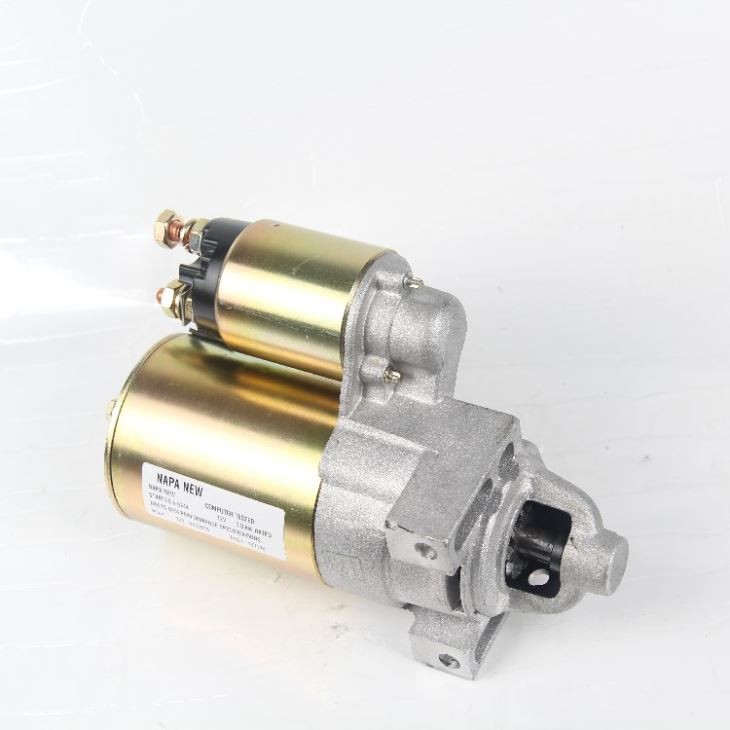
To replace the alternator bearings, you'll need to disassemble the alternator. This is a more complex repair and may require some mechanical skills. It's recommended that you have a professional mechanic perform this repair if you're not experienced with automotive electrical systems. However, if you're confident in your abilities, you can purchase a bearing replacement kit and follow the instructions in the service manual.
Electrical Malfunctions
Electrical problems can also cause a high - pitched whining noise from the alternator.
Voltage Regulator Issues
The voltage regulator is responsible for controlling the output voltage of the alternator. If the voltage regulator malfunctions, it can cause the alternator to produce an inconsistent electrical output, which may result in a whining noise.
To diagnose a voltage regulator problem, you'll need to use a multimeter to test the alternator's output voltage. The output voltage should be within a specific range, usually between 13.5 and 14.5 volts when the engine is running. If the voltage is outside of this range, it's likely that the voltage regulator is faulty.
Replacing the voltage regulator can be a relatively straightforward repair in some cases. You can purchase a replacement voltage regulator and follow the instructions in the service manual to install it. However, in some alternators, the voltage regulator is integrated into the alternator assembly, and you may need to replace the entire alternator.
Short Circuits
A short circuit in the alternator's wiring or internal components can also cause a high - pitched noise. A short circuit occurs when there is an unintended connection between two electrical conductors, which can disrupt the normal flow of electricity.
To check for short circuits, you'll need to inspect the alternator's wiring for any signs of damage, such as frayed wires or loose connections. You can also use a circuit tester to check for continuity in the wiring. If you suspect a short circuit in the internal components of the alternator, it's best to have a professional mechanic diagnose and repair the problem.
When to Replace the Alternator
In some cases, despite your best efforts to diagnose and repair the problem, the high - pitched whining noise may persist. This could indicate a more serious issue with the alternator, such as a damaged stator or rotor.
If you've ruled out belt and bearing problems and have determined that the alternator is the source of the noise, it may be time to replace it. As a supplier of Alternator For Valeo, we offer a wide range of high - quality alternators, including the 110A Alternator for Valeo and the 12V Alternator for Valeo. Our alternators are designed to meet or exceed the original equipment specifications, ensuring reliable performance and a long service life.
Conclusion
Addressing a high - pitched whining noise from an Alternator For Valeo requires a systematic approach. Start by checking the drive belt for issues such as looseness or wear. Then, inspect the alternator bearings and electrical components for problems. If you're unable to diagnose or fix the problem on your own, don't hesitate to seek the help of a professional mechanic.
At our company, we're committed to providing our customers with the best - quality alternators and excellent customer service. If you're experiencing problems with your alternator or are in the market for a new one, we encourage you to contact us for more information and to discuss your specific needs. We're here to help you find the right solution for your vehicle.
References
- Automotive Service Excellence (ASE) Study Guides
- Vehicle Service Manuals for Valeo - equipped vehicles
Contact us today to start your procurement process and discuss how our Alternator For Valeo products can meet your requirements.