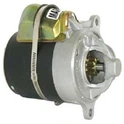

As a trusted supplier of Alternator For Denso, I've received numerous inquiries about adjusting the idle speed when using a Denso alternator. In this blog, I'll share some comprehensive insights and practical steps to help you handle this issue effectively.
Understanding the Importance of Idle Speed Adjustment
The idle speed of an engine is crucial for the proper functioning of a Denso alternator. An appropriate idle speed ensures that the alternator can generate enough electrical power to meet the vehicle's demands, especially when the engine is running at low speeds or idling. If the idle speed is too low, the alternator may not produce sufficient power, leading to a drained battery, dimmed lights, and potential electrical system failures. On the other hand, an excessively high idle speed can cause unnecessary wear and tear on the engine and alternator components, as well as increased fuel consumption.
Factors Affecting Idle Speed with a Denso Alternator
Several factors can influence the idle speed when using a Denso alternator. These include:


- Battery Condition: A weak or faulty battery may require the alternator to work harder to maintain a proper charge, which can affect the idle speed.
- Electrical Load: The number and type of electrical devices in use, such as lights, radio, and air conditioning, can put additional strain on the alternator and impact the idle speed.
- Engine Tuning: Incorrect engine tuning, such as improper fuel - air mixture or ignition timing, can lead to unstable idle speed.
- Alternator Condition: A worn - out or malfunctioning Denso alternator may not be able to regulate the electrical output correctly, causing fluctuations in the idle speed.
Tools Required for Idle Speed Adjustment
Before you start adjusting the idle speed, you'll need the following tools:
- Screwdriver Set: To access and adjust the idle speed screw or other relevant components.
- Tachometer: To measure the engine's RPM (revolutions per minute) accurately.
- Multimeter: To check the battery voltage and alternator output.
Step - by - Step Guide to Adjusting Idle Speed
Step 1: Prepare the Vehicle
- Park the vehicle on a level surface and engage the parking brake.
- Make sure the engine is turned off and allow it to cool down if it has been running recently.
- Open the hood and locate the Denso alternator and the idle speed adjustment screw. The location of the idle speed adjustment screw may vary depending on the vehicle model and engine type.
Step 2: Check the Battery and Electrical System
- Use a multimeter to check the battery voltage. A fully charged battery should have a voltage of around 12.6 volts. If the voltage is significantly lower, the battery may need to be charged or replaced.
- Start the engine and let it idle. Use the multimeter to measure the alternator output. The output voltage should be between 13.5 and 14.5 volts. If the output is outside this range, there may be an issue with the alternator or the charging system.
Step 3: Measure the Initial Idle Speed
- Connect a tachometer to the engine according to the manufacturer's instructions.
- Start the engine and let it warm up to its normal operating temperature.
- Read the idle speed on the tachometer. The ideal idle speed for most vehicles is between 600 and 1000 RPM.
Step 4: Adjust the Idle Speed
- Locate the idle speed adjustment screw. It is usually a small screw on the throttle body or carburetor.
- Use a screwdriver to turn the adjustment screw slowly. Turning the screw clockwise will increase the idle speed, while turning it counter - clockwise will decrease the idle speed.
- Make small adjustments and check the idle speed on the tachometer after each adjustment. Aim to achieve the recommended idle speed for your vehicle.
Step 5: Re - check the Electrical System
- After adjusting the idle speed, re - check the battery voltage and alternator output using the multimeter. Make sure the alternator is charging the battery properly and the electrical system is functioning normally.
Step 6: Test the Vehicle
- Take the vehicle for a short test drive to ensure that the idle speed remains stable and the electrical components are working correctly. Pay attention to any unusual noises or vibrations.
Common Mistakes to Avoid
- Over - adjusting: Making large adjustments to the idle speed at once can cause the engine to stall or run rough. Always make small, incremental adjustments and check the results.
- Ignoring Other Issues: If you're having trouble adjusting the idle speed, it may be due to other underlying problems, such as a faulty alternator or engine misfire. Don't just focus on the idle speed adjustment; diagnose and fix any other issues as well.
Our Denso Alternator Products
As a supplier of Alternator For Denso, we offer a wide range of high - quality products to meet your needs. Our 12V Alternator For Denso - factory is designed to provide reliable performance and long - lasting durability. It is suitable for various vehicles and applications.
If you need a high - output alternator, our 80A Alternator for Denso is an excellent choice. It can handle heavy electrical loads and ensure a stable power supply.
For general - purpose applications, our 12V Alternator for Denso is a cost - effective option that offers good performance and reliability.
Contact Us for Procurement
If you're interested in our Alternator For Denso products or have any questions about idle speed adjustment or other related topics, we encourage you to contact us for procurement and further discussions. Our team of experts is ready to assist you in finding the right alternator for your needs and providing you with professional advice.
References
- Automotive Service Excellence (ASE) study guides.
- Denso alternator technical manuals.
- Vehicle repair manuals specific to your vehicle model.