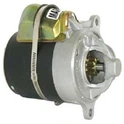

As a supplier of Starter - Delco PG - 260M, I understand the importance of ensuring the proper electrical connections of this crucial automotive component. In this blog post, I'll guide you through the process of checking the electrical connections of the Starter - Delco PG - 260M, providing you with detailed steps and essential tips to keep your starter in optimal working condition.
Why Checking Electrical Connections Matters
Before diving into the checking process, it's important to understand why proper electrical connections are vital for the Starter - Delco PG - 260M. The starter is responsible for initiating the engine's combustion process by turning the engine over. Any issues with the electrical connections can lead to a variety of problems, including slow cranking, failure to start, or even damage to the starter itself. By regularly checking and maintaining the electrical connections, you can prevent these issues and ensure reliable engine starting.
Tools You'll Need
Before you begin checking the electrical connections of the Starter - Delco PG - 260M, gather the following tools:
- A multimeter: This tool is essential for measuring voltage, resistance, and continuity.
- A socket set: You'll need this to remove any bolts or nuts securing the starter and its electrical connections.
- A wire brush: Use this to clean any corrosion or dirt from the electrical terminals.
- Safety glasses and gloves: Protect your eyes and hands from any potential hazards.
Step 1: Prepare the Vehicle
- Park the vehicle on a flat, stable surface and engage the parking brake.
- Turn off the engine and remove the key from the ignition.
- Open the hood of the vehicle and locate the Starter - Delco PG - 260M. It is typically located near the bottom of the engine, close to the transmission.
Step 2: Inspect the Battery
- Check the battery terminals for any signs of corrosion or damage. Corrosion can prevent proper electrical flow and cause starting issues.
- If there is corrosion on the terminals, use a wire brush to clean them thoroughly. You can also use a mixture of baking soda and water to neutralize the acid in the corrosion.
- Ensure that the battery cables are securely connected to the terminals. Tighten any loose connections using a socket set.
- Use a multimeter to measure the battery voltage. A fully charged battery should read around 12.6 volts. If the voltage is significantly lower, the battery may need to be charged or replaced.
Step 3: Inspect the Starter Wiring
- Locate the starter wiring harness, which is typically connected to the starter solenoid.
- Inspect the wiring harness for any signs of damage, such as frayed wires, cracks, or loose connections.
- If you find any damaged wires, repair or replace them as necessary. Use electrical tape or heat shrink tubing to secure the connections.
- Check the wiring harness for proper routing. Make sure it is not pinched or rubbing against any sharp edges or moving parts.
Step 4: Check the Starter Solenoid Connections
- The starter solenoid is a small electromagnetic switch that controls the flow of electricity to the starter motor.
- Locate the solenoid on the starter and inspect the electrical connections. There are usually two large terminals and one or more small terminals.
- The large terminals are connected to the battery and the starter motor. Check these connections for tightness and cleanliness.
- The small terminal(s) are connected to the ignition switch or the starter relay. Inspect these connections as well and ensure they are secure.
- Use a multimeter to test the continuity of the solenoid. Set the multimeter to the continuity setting and touch the probes to the appropriate terminals. If there is no continuity, the solenoid may be faulty and need to be replaced.
Step 5: Test the Starter Motor
- With the battery and wiring connections checked, it's time to test the starter motor itself.
- Connect the positive lead of the multimeter to the positive terminal of the battery and the negative lead to the starter motor terminal.
- Have an assistant turn the ignition key to the "Start" position while you observe the multimeter reading. The voltage should drop slightly, but not below 9 volts. If the voltage drops significantly, there may be a problem with the starter motor or the electrical connections.
- If the starter motor does not turn over at all, check the fuses and relays related to the starter system. A blown fuse or faulty relay can prevent the starter from receiving power.
Step 6: Reassemble and Test
- Once you have completed the inspection and testing of the electrical connections, reassemble any components that you removed.
- Double - check all the connections to ensure they are tight and secure.
- Close the hood of the vehicle and start the engine. Listen for any abnormal noises or signs of starting problems.
- If the engine starts smoothly and there are no issues, your Starter - Delco PG - 260M is in good working condition.
Our Starter - Delco PG - 260M Products
We offer a range of Starter - Delco PG - 260M products to meet your specific needs. Our products include the 1.7KW Starter - Delco PG - 260M, the 12V Starter - Delco PG - 260M, and the 11 - Tooth Pinion Starter - Delco PG - 260M. All of our starters are manufactured to the highest quality standards and are rigorously tested to ensure reliable performance.


Contact Us for Purchase and Consultation
If you are interested in purchasing our Starter - Delco PG - 260M products or have any questions about checking the electrical connections, we encourage you to contact us. Our team of experts is ready to assist you with your needs and provide you with the best solutions for your automotive starting requirements.
References
- "Automotive Electrical Systems" by Robert N. Brady
- "Starter Motor Troubleshooting Guide" by AutoZone