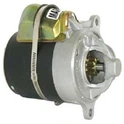

As a trusted supplier of Starter - Delco 28MT, I understand the critical importance of ensuring the quality of these starters. The Starter - Delco 28MT is a well - known product in the automotive industry, widely used in various vehicles. In this blog, I will share some effective methods on how to check the quality of Starter - Delco 28MT.
1. Visual Inspection
The first step in checking the quality of a Starter - Delco 28MT is a thorough visual inspection. When you receive a batch of starters, carefully examine each unit.
- Exterior Damage: Look for any signs of physical damage on the outer casing of the starter. This includes cracks, dents, or scratches. A damaged casing can lead to internal component exposure, which may cause short - circuits or other malfunctions. For example, if there is a crack near the electrical connection points, it can allow moisture and dirt to enter, degrading the performance of the starter over time.
- Corrosion: Check for corrosion on the terminals and other metal parts. Corrosion can impede the flow of electricity, reducing the starter's efficiency. Terminals that are corroded may show a greenish or whitish powdery substance. If corrosion is found, it is important to determine whether it is surface - level or has penetrated deeper into the metal, as the latter may require replacement of the affected parts.
- Label and Markings: Ensure that the starter has the correct labels and markings. The Starter - Delco 28MT should have clear identification of its model number, voltage rating, and other relevant specifications. Any missing or incorrect markings may indicate a counterfeit or sub - standard product. You can refer to the official documentation provided by the manufacturer to verify the accuracy of these markings.
2. Electrical Testing
Electrical testing is a crucial part of quality checking for Starter - Delco 28MT, as the starter's main function is to convert electrical energy into mechanical energy to start the engine.
- Resistance Testing: Use a multimeter to measure the resistance of the starter's windings. Each winding should have a specific resistance value within a certain tolerance range. Deviations from the standard resistance values may suggest problems such as short - circuits or open - circuits in the windings. For example, if the measured resistance is significantly lower than the specified value, there may be a short - circuit in the winding, which can cause excessive current flow and potentially damage the starter.
- Voltage Drop Testing: This test helps to determine the efficiency of the electrical connections in the starter. Connect the starter to a power source and measure the voltage drop across the various components, such as the solenoid and the motor. A high voltage drop indicates poor electrical connections, which can result in power loss and reduced starter performance. For instance, if the voltage drop across the solenoid is too high, it may not be able to engage the starter motor properly, leading to starting problems.
- Cranking Amperage Testing: When the starter is connected to a fully - charged battery and engaged, measure the amount of current (amperage) it draws. The cranking amperage should be within the manufacturer's specified range. If the amperage is too high, it may indicate a mechanical problem in the starter, such as a seized bearing or a binding gear. On the other hand, a low cranking amperage may suggest an electrical issue, like a weak battery or a faulty solenoid.
3. Mechanical Inspection
The mechanical components of the Starter - Delco 28MT also play a vital role in its overall quality and performance.
- Gear Inspection: Check the condition of the starter's pinion gear and the ring gear. The teeth of these gears should be in good condition, without any signs of wear, chipping, or damage. Worn or damaged gears can cause problems during the starting process, such as grinding noises or failure to engage the engine's flywheel. You can use a caliper to measure the tooth thickness of the gears and compare it with the manufacturer's specifications.
- Bearing Condition: Examine the bearings in the starter motor. The bearings should rotate smoothly without any excessive play or noise. A worn - out bearing can cause the motor shaft to wobble, which can lead to premature failure of the motor and other components. You can try to gently move the motor shaft by hand to check for any play and listen for any abnormal noises while rotating the shaft.
- Solenoid Functionality: The solenoid is responsible for engaging the starter motor and connecting the battery to the motor. Test the solenoid by applying a small amount of voltage to its terminals and listening for a clicking sound, which indicates that the solenoid is operating correctly. If there is no clicking sound or if the solenoid fails to engage the starter motor, it may be defective and need to be replaced.
4. Performance Testing
After the visual, electrical, and mechanical inspections, it is essential to conduct performance testing to ensure that the Starter - Delco 28MT functions as expected in real - world conditions.
- Bench Testing: Mount the starter on a test bench and connect it to a power source and a load simulator. The load simulator mimics the resistance that the starter would encounter when starting an engine. Operate the starter multiple times and observe its performance. Check for smooth operation, proper engagement and disengagement of the gears, and the ability to reach the required cranking speed. Any abnormal vibrations, noises, or failures during bench testing should be investigated further.
- In - Vehicle Testing: If possible, install the starter in a compatible vehicle and test it in actual operating conditions. Start the engine several times and pay attention to the starting time, the sound of the starter, and the overall engine starting performance. A high - quality Starter - Delco 28MT should start the engine quickly and smoothly, without any hesitation or excessive noise.
5. Comparing with Authentic Products
As a supplier, it is important to be familiar with the authentic Starter - Delco 28MT products. Keep samples of genuine starters for comparison purposes. Compare the new starters you receive with the authentic samples in terms of appearance, weight, and performance. Counterfeit products may have obvious differences in these aspects. For example, a counterfeit starter may be lighter in weight due to the use of inferior materials, or it may have a different shape or finish compared to the genuine product.
If you are interested in purchasing high - quality 12V Starter - Delco 28MT, I invite you to contact us for procurement negotiations. We are committed to providing you with the best - quality starters at competitive prices and excellent after - sales service.

References
- Automotive Starter Motor Handbook, published by an industry - leading automotive parts research institution.
- Technical documentation provided by the manufacturer of Starter - Delco 28MT.