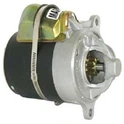

Hey there! As a supplier of the 12V Starter - Hitachi DD, I've seen firsthand how important it is to keep these starters in top - notch condition. In this blog, I'm gonna share some tips on how to maintain your 12V Starter - Hitachi DD.


Understanding the 12V Starter - Hitachi DD
Before we jump into maintenance, let's quickly understand what the 12V Starter - Hitachi DD is all about. It's a powerful and reliable starter that's used in a variety of vehicles and equipment. Whether you're using a 0.4KW Starter - Hitachi DD or a 9 - Tooth Pinion Starter - Hitachi DD, they all share the same basic principles of operation.
This starter is designed to crank the engine, getting it up and running smoothly. It works by converting electrical energy from the battery into mechanical energy to turn the engine over. Given its crucial role, proper maintenance is a must to ensure it lasts a long time and performs consistently.
Regular Inspections
One of the first steps in maintaining your 12V Starter - Hitachi DD is to conduct regular inspections. You should check it at least once a month, or more frequently if you use your vehicle or equipment a lot.
- Visual Inspection: Start by taking a good look at the starter. Check for any signs of physical damage, like cracks, dents, or loose connections. Look at the wiring to make sure there are no frayed wires or loose terminals. A loose connection can cause electrical problems and prevent the starter from working properly.
- Cleaning: Over time, dirt, dust, and grime can build up on the starter. Use a clean, dry cloth to wipe away any debris. You can also use a small brush to clean hard - to - reach areas. Just be careful not to damage any of the components while cleaning.
Checking the Electrical System
The electrical system is the heart of the 12V Starter - Hitachi DD. Any issues with the electrical system can lead to starter problems.
- Battery: The battery provides the power for the starter. Make sure your battery is in good condition. Check the battery terminals for corrosion. If you see a white or greenish substance on the terminals, it's corrosion. You can clean it off using a mixture of baking soda and water. Mix about a tablespoon of baking soda with a cup of water, and use a wire brush to scrub the terminals. Rinse with clean water and dry thoroughly.
- Voltage Check: Use a voltmeter to check the voltage of the battery. A fully charged 12 - volt battery should read around 12.6 volts. If the voltage is significantly lower, it might be time to charge or replace the battery. Also, check the voltage at the starter terminals. If the voltage is low, there could be a problem with the wiring or the battery.
- Starter Solenoid: The solenoid is an important part of the starter. It's responsible for engaging the starter motor when you turn the ignition key. Check the solenoid for any signs of damage or wear. You can test the solenoid by using a test light. Connect the test light to the solenoid terminals. When you turn the ignition key, the test light should light up. If it doesn't, there could be a problem with the solenoid.
Lubrication
Proper lubrication is essential for the smooth operation of the 12V Starter - Hitachi DD.
- Pinion Gear: The pinion gear is the part of the starter that engages with the engine's flywheel. Apply a small amount of high - quality grease to the pinion gear. This will help reduce friction and wear, ensuring that the gear engages and disengages smoothly.
- Bushings and Bearings: The starter has bushings and bearings that need to be lubricated. Use a lubricant recommended by the manufacturer. Apply the lubricant according to the instructions. Over - lubrication can be just as bad as under - lubrication, so be careful not to use too much.
Testing the Starter
Periodically, you should test the starter to make sure it's working properly.
- Bench Test: You can perform a bench test on the starter if you have the necessary tools. Remove the starter from the vehicle or equipment and connect it to a power source. Use a battery charger or a power supply that can provide the correct voltage. When you connect the power, the starter should spin freely. If it doesn't, there could be a problem with the motor or the gears.
- In - Vehicle Test: You can also test the starter while it's still in the vehicle. Have someone turn the ignition key while you listen for the sound of the starter. If you hear a clicking sound but the engine doesn't crank, it could be a problem with the solenoid or the starter motor. If you hear a grinding sound, it could mean that the pinion gear is not engaging properly.
Storage
If you're not going to use the vehicle or equipment for an extended period, proper storage of the 12V Starter - Hitachi DD is important.
- Disconnect the Battery: Disconnect the battery to prevent any electrical drain. This will also protect the starter from any potential electrical problems that could occur during storage.
- Store in a Dry Place: Store the vehicle or equipment in a dry place. Moisture can cause corrosion and damage to the starter and other components.
Troubleshooting Common Problems
Even with proper maintenance, you might still encounter some problems with your 12V Starter - Hitachi DD. Here are some common problems and how to troubleshoot them.
- Starter Doesn't Engage: If the starter doesn't engage when you turn the ignition key, first check the battery. Make sure it's fully charged and the connections are good. If the battery is okay, check the starter solenoid. It could be faulty and need to be replaced.
- Starter Engages But Doesn't Crank the Engine: This could be due to a problem with the pinion gear. Check the pinion gear for damage or wear. It might need to be replaced. Also, check the wiring between the starter and the engine to make sure there are no loose connections.
- Starter Overheats: If the starter overheats, it could be due to a problem with the electrical system. Check the voltage at the starter terminals. If the voltage is too high, it could cause the starter to overheat. Also, make sure the starter is not being used for extended periods without a break.
Conclusion
Maintaining your 12V Starter - Hitachi DD is not that difficult. By following these simple steps, you can keep your starter in great condition and avoid costly repairs. Remember, regular inspections, checking the electrical system, proper lubrication, and testing the starter are all important parts of maintenance.
If you're in the market for a new 12V Starter - Hitachi DD, or if you have any questions about maintenance or troubleshooting, feel free to reach out. We're here to help you make the right choice and keep your equipment running smoothly. Let's get in touch and start a great business relationship!
References
- "Automotive Electrical Systems Handbook"
- Manufacturer's manual for 12V Starter - Hitachi DD