
Troubleshooting a 12V Starter - Delco PMDD that won't start can be a daunting task, but with the right approach, you can diagnose and resolve the issue efficiently. As a supplier of 12V Starter-Delco PMDD, I've encountered various problems with these starters over the years. In this blog post, I'll share some common causes and solutions to help you get your starter up and running again.
Understanding the 12V Starter - Delco PMDD
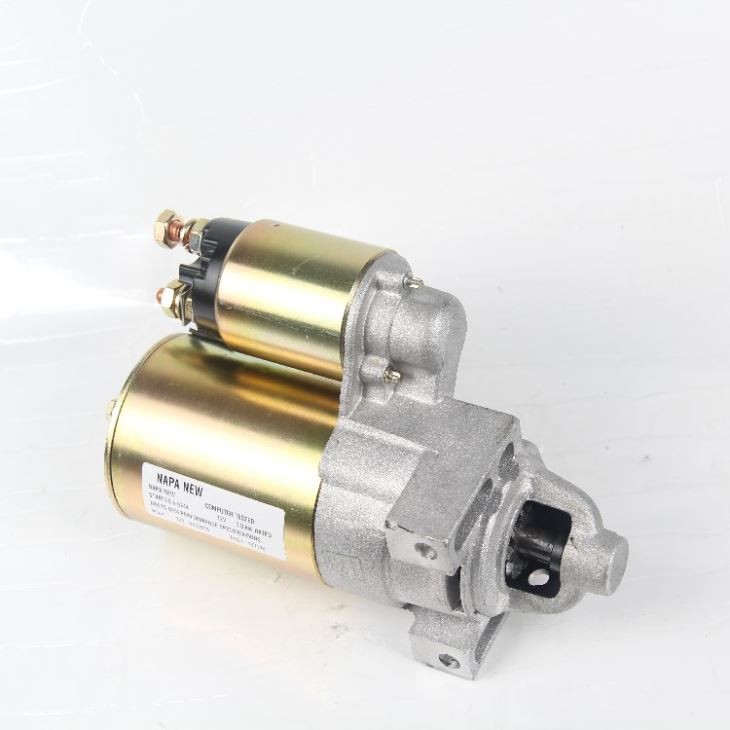
Before we dive into troubleshooting, let's briefly understand how the 12V Starter - Delco PMDD works. This type of starter is a permanent magnet direct drive (PMDD) starter, which means it uses permanent magnets instead of field coils to generate the magnetic field required to turn the engine. The starter motor is powered by a 12V battery and engages with the flywheel of the engine through a pinion gear. When the ignition switch is turned on, an electrical current is sent to the starter solenoid, which then engages the pinion gear with the flywheel and activates the starter motor.
Common Causes of a Non - Starting Starter
1. Battery Issues
- Low Voltage: One of the most common reasons for a starter not to start is a low - voltage battery. If the battery voltage is below 12V, the starter may not receive enough power to operate. You can check the battery voltage using a multimeter. A fully charged 12V battery should read around 12.6V. If the voltage is low, try charging the battery or replacing it if it's old or damaged.
- Corroded Battery Terminals: Corrosion on the battery terminals can prevent the proper flow of electricity to the starter. Inspect the battery terminals for signs of corrosion, such as a white or greenish powder. If you find corrosion, clean the terminals using a wire brush and a mixture of baking soda and water.
2. Starter Solenoid Problems
- Faulty Solenoid Contacts: The starter solenoid has contacts that close when the ignition switch is turned on, allowing electricity to flow to the starter motor. Over time, these contacts can wear out or become corroded, preventing the solenoid from functioning properly. You can test the solenoid by using a test light or a multimeter. If the solenoid is faulty, it may need to be replaced.
- Solenoid Coil Failure: The solenoid coil can also fail, which means it won't be able to generate the magnetic field needed to close the contacts. This can be caused by overheating or electrical shorts. If the solenoid coil is damaged, the solenoid will need to be replaced.
3. Starter Motor Problems
- Worn Brushes: The starter motor has carbon brushes that make contact with the commutator to transfer electricity to the armature. Over time, these brushes can wear out, reducing the electrical contact and causing the starter motor to malfunction. You can check the brush length by removing the starter motor cover. If the brushes are worn beyond the recommended length, they should be replaced.
- Armature or Field Short: A short circuit in the armature or field windings can also cause the starter motor to fail. This can be due to overheating, physical damage, or electrical problems. Testing for a short circuit requires specialized equipment, and if a short is detected, the starter motor may need to be replaced.
4. Pinion Gear and Flywheel Issues
- Worn Pinion Gear: The pinion gear on the starter can wear out over time, especially if it's been engaging with a damaged flywheel. A worn pinion gear may not engage properly with the flywheel, preventing the engine from starting. Inspect the pinion gear for signs of wear, such as chipped or worn teeth. If the pinion gear is worn, it should be replaced.
- Damaged Flywheel: The flywheel can also become damaged, either due to normal wear and tear or from improper engagement with the pinion gear. A damaged flywheel may have broken or worn teeth, which can prevent the pinion gear from engaging. Inspect the flywheel for damage, and if necessary, have it repaired or replaced.
Troubleshooting Steps
Step 1: Visual Inspection
- Start by visually inspecting the battery, battery terminals, starter solenoid, and starter motor. Look for any signs of damage, corrosion, or loose connections. Check the wiring harness for any frayed or broken wires.
Step 2: Check the Battery
- Use a multimeter to check the battery voltage. If the voltage is low, charge the battery or replace it if necessary. Also, check the battery terminals for corrosion and clean them if needed.
Step 3: Test the Starter Solenoid
- Connect a test light or multimeter to the solenoid terminals. When the ignition switch is turned on, the test light should illuminate, indicating that the solenoid is receiving power. If the test light doesn't come on, there may be a problem with the ignition switch or the wiring between the ignition switch and the solenoid.
- You can also try bypassing the solenoid using a jumper wire. Connect the positive terminal of the battery to the solenoid terminal that goes to the starter motor. If the starter motor engages, the solenoid is likely faulty.
Step 4: Inspect the Starter Motor
- Remove the starter motor from the vehicle and inspect it for visible damage. Check the brushes for wear and the armature and field windings for signs of a short circuit. If you're not experienced in working with electrical components, it's best to take the starter motor to a professional for testing.
Step 5: Check the Pinion Gear and Flywheel
- Inspect the pinion gear and flywheel for wear or damage. If the pinion gear is worn, it may need to be replaced. If the flywheel is damaged, it may need to be repaired or replaced.
Solutions for Different Issues
Battery Issues
- If the battery is low, charge it using a battery charger. Make sure to follow the charger's instructions carefully. If the battery is old and won't hold a charge, replace it with a new one.
Starter Solenoid Problems
- If the solenoid contacts are worn or corroded, you can try cleaning them using fine - grit sandpaper. However, if the solenoid is severely damaged, it's usually best to replace it. You can find replacement solenoids for 12V Starter - Delco PMDD at most auto parts stores.
Starter Motor Problems
- If the brushes are worn, you can replace them. Replacement brushes are available for most starter motors. However, if there's a short circuit in the armature or field windings, the starter motor will likely need to be replaced.
Pinion Gear and Flywheel Issues
- If the pinion gear is worn, you can replace it. Some starters, like the 10 - tooth Pinion Starter - Delco PMDD, have replaceable pinion gears. If the flywheel is damaged, it may need to be resurfaced or replaced depending on the extent of the damage.
Conclusion
Troubleshooting a 12V Starter - Delco PMDD that won't start requires a systematic approach. By checking the battery, starter solenoid, starter motor, pinion gear, and flywheel, you can identify and resolve the issue. As a supplier of 12V Starter - Delco PMDD, we offer a wide range of high - quality starters and replacement parts. If you're having trouble with your starter or need replacement parts, don't hesitate to contact us for further assistance and to discuss your procurement needs. We're here to help you get your vehicle up and running smoothly.

References
- "Automotive Electrical Systems" by Robert N. Brady
- "How Cars Work" - Various online automotive repair guides