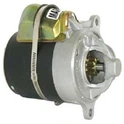

As a supplier of the Starter - Delco PG - 260M, I am frequently asked about the corrosion resistance of this product. In this blog post, I will delve into the details of its corrosion resistance, exploring the factors that contribute to it, the testing methods used to evaluate it, and the real - world implications of its performance.
Understanding the Starter - Delco PG - 260M
Before we discuss corrosion resistance, let's briefly introduce the Starter - Delco PG - 260M. This starter is a popular choice in the automotive and industrial sectors. It comes in different variants such as the 1.7KW Starter - Delco PG - 260M, the 11 - Tooth Pinion Starter - Delco PG - 260M, and the 12V Starter - Delco PG - 260M. These starters are designed to provide reliable starting power in a variety of applications.
Factors Affecting Corrosion Resistance
Material Selection
The materials used in the construction of the Starter - Delco PG - 260M play a crucial role in its corrosion resistance. The housing of the starter is typically made of high - quality metals that have inherent corrosion - resistant properties. For example, some parts may be made of aluminum alloys. Aluminum forms a thin, protective oxide layer on its surface when exposed to oxygen. This oxide layer acts as a barrier, preventing further oxidation and corrosion.
The electrical components inside the starter, such as the terminals and wiring, are also carefully selected. Copper is a common choice for electrical conductors due to its excellent electrical conductivity. However, copper can corrode over time, especially in the presence of moisture and certain chemicals. To combat this, the copper components are often coated with materials like tin or nickel. These coatings provide an additional layer of protection against corrosion.
Surface Treatments
In addition to using corrosion - resistant materials, the Starter - Delco PG - 260M undergoes various surface treatments. One of the most common treatments is painting. A high - quality paint coating is applied to the exterior of the starter. This paint not only provides an aesthetic finish but also acts as a physical barrier between the metal surface and the surrounding environment. It prevents moisture, salt, and other corrosive substances from coming into direct contact with the metal.
Another surface treatment method is galvanization. Galvanized parts have a zinc coating that sacrificially corrodes in place of the underlying metal. This means that even if the coating is scratched, the zinc will corrode first, protecting the base metal from damage.
Sealing and Gaskets
The design of the starter includes proper sealing and gaskets to prevent the ingress of moisture and contaminants. Seals are used around the joints and openings of the starter to keep out water, dust, and dirt. Gaskets are placed between different components to ensure a tight fit and prevent leaks. By keeping the interior of the starter dry and free from contaminants, the risk of corrosion is significantly reduced.
Testing Corrosion Resistance
Salt Spray Testing
Salt spray testing is a widely used method to evaluate the corrosion resistance of products. In this test, the Starter - Delco PG - 260M is placed in a chamber where it is exposed to a fine mist of saltwater. The saltwater mimics the harsh conditions that the starter may encounter in real - world applications, such as driving on roads treated with salt during winter or in coastal areas where the air contains salt particles.
The starter is typically tested for a specific period, usually several hours or even days. After the test, the starter is examined for signs of corrosion, such as rust spots, pitting, or degradation of the surface coating. The results of the salt spray test provide valuable information about the starter's ability to withstand corrosion in a controlled environment.
Humidity Testing
Humidity testing is another important test method. In this test, the starter is placed in a chamber with a high - humidity environment. The high humidity simulates conditions where the starter may be exposed to moisture for extended periods, such as in a damp storage area or during heavy rain.
The starter is monitored over time to see if any corrosion occurs. This test helps to evaluate the starter's performance in environments where moisture is a constant threat.
Real - World Implications of Corrosion Resistance
Reliability and Durability
A starter with good corrosion resistance is more reliable and durable. Corrosion can cause electrical connections to become loose or damaged, leading to starting problems. For example, if the terminals of the starter corrode, the electrical current may not flow properly, resulting in a weak or failed start. By preventing corrosion, the Starter - Delco PG - 260M can maintain its performance over a longer period, reducing the need for frequent replacements.
Cost - Effectiveness
Investing in a starter with high corrosion resistance can be cost - effective in the long run. While a corrosion - resistant starter may have a slightly higher upfront cost, it will require less maintenance and replacement over its lifespan. This means lower overall costs for the end - user, whether it is an individual vehicle owner or a large industrial fleet operator.
Environmental Adaptability
The Starter - Delco PG - 260M's corrosion resistance allows it to be used in a wide range of environments. It can perform reliably in harsh conditions, such as in mining operations where the starter may be exposed to dust, dirt, and moisture, or in marine applications where it is constantly exposed to saltwater. This adaptability makes it a versatile choice for different industries.
Conclusion
In conclusion, the corrosion resistance of the Starter - Delco PG - 260M is a result of careful material selection, surface treatments, and proper design. Through rigorous testing methods, we can ensure that the starter meets high standards of corrosion resistance. This corrosion resistance translates into reliability, durability, cost - effectiveness, and environmental adaptability.


If you are in the market for a high - quality starter with excellent corrosion resistance, the Starter - Delco PG - 260M is an ideal choice. Whether you need the 1.7KW Starter - Delco PG - 260M, the 11 - Tooth Pinion Starter - Delco PG - 260M, or the 12V Starter - Delco PG - 260M, we have the right product for you. Contact us to discuss your specific requirements and start a procurement negotiation.
References
- ASTM International. (2019). ASTM B117 - 19 Standard Practice for Operating Salt Spray (Fog) Apparatus.
- ASM Handbook Committee. (2004). ASM Handbook Volume 13A: Corrosion: Fundamentals, Testing, and Protection. ASM International.