


Hey there! As a supplier of 12V Starter - Delco PMDD, I often get asked about the lifespan of these starters. It's a crucial question, especially for those who rely on their vehicles or equipment day in and day out. So, let's dive right into it and explore what affects the lifespan of a 12V Starter - Delco PMDD.
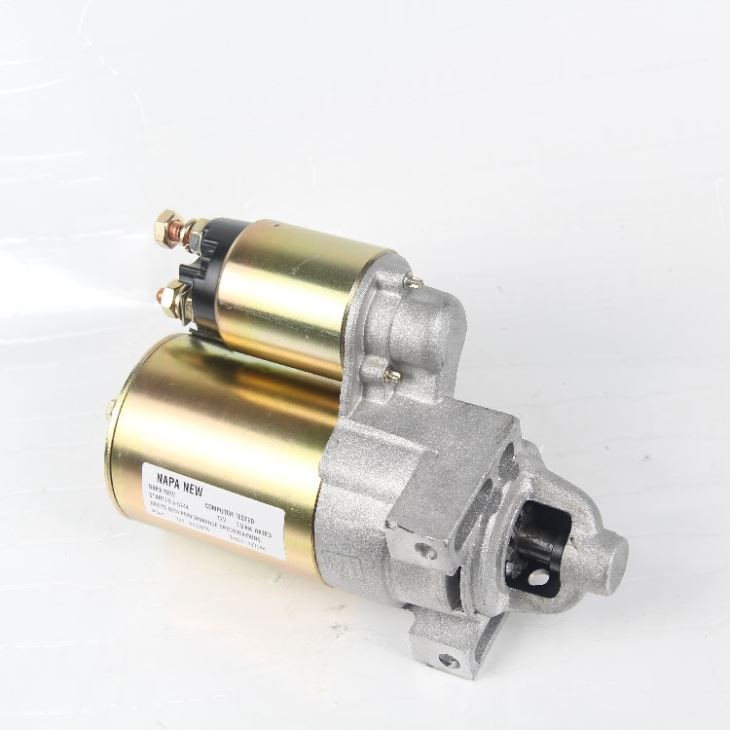
First off, what is a 12V Starter - Delco PMDD? Well, it's a type of starter motor that operates on a 12 - volt electrical system. The "Delco PMDD" part refers to the design and technology used in the starter. PMDD stands for Permanent Magnet Direct Drive, which means it uses permanent magnets instead of traditional field coils. This design offers several advantages, such as higher efficiency, reduced weight, and better performance. You can check out our 12V Starter - Delco PMDD on our website for more details.
Now, let's talk about the factors that influence the lifespan of a 12V Starter - Delco PMDD.
Usage Frequency
One of the biggest factors is how often the starter is used. If you're starting your vehicle multiple times a day, like in a delivery truck or a taxi service, the starter will experience more wear and tear compared to a vehicle that's only started once or twice a day. Each time you turn the key, the starter has to engage with the engine's flywheel, and this mechanical interaction can cause the components to wear over time.
Starting Conditions
The conditions under which you start your vehicle also play a significant role. Starting a cold engine requires more power from the starter than starting a warm one. In cold weather, the engine oil is thicker, and the battery's performance may be reduced. This means the starter has to work harder to turn the engine over. Repeatedly starting a cold engine can put extra stress on the starter and shorten its lifespan.
Electrical System Health
The health of your vehicle's electrical system is crucial for the longevity of the starter. A weak or failing battery can cause the starter to draw more current than it's designed for. This increased current can overheat the starter's windings and damage the internal components. Similarly, problems with the alternator, such as overcharging or undercharging, can also affect the starter's performance and lifespan.
Quality of the Starter
The quality of the 12V Starter - Delco PMDD itself is a major factor. Cheaper, low - quality starters may use inferior materials and manufacturing processes. These starters are more likely to fail prematurely compared to high - quality starters that are built to strict standards. At our company, we take pride in offering high - quality 10 - tooth Pinion Starter - Delco PMDD that are designed to last.
Maintenance
Proper maintenance can significantly extend the lifespan of a 12V Starter - Delco PMDD. Regularly checking the battery's charge level, cleaning the battery terminals, and inspecting the starter for any signs of damage or wear can help catch problems early. If you notice any unusual noises when starting the engine, such as grinding or whining, it could be a sign that the starter is having issues. Getting these problems fixed promptly can prevent further damage to the starter.
Average Lifespan
So, what's the average lifespan of a 12V Starter - Delco PMDD? Well, it's hard to give an exact number because it depends on all the factors we've just discussed. However, under normal usage conditions and with proper maintenance, a high - quality 12V Starter - Delco PMDD can last anywhere from 100,000 to 150,000 starts. For an average vehicle owner who starts their car once or twice a day, this could translate to 10 - 15 years of service.

But if the starter is used in a more demanding environment, such as a commercial vehicle or a vehicle that's frequently started in cold weather, the lifespan may be shorter, perhaps around 5 - 10 years.
Signs of a Failing Starter
It's important to know the signs of a failing starter so you can replace it before it leaves you stranded. Some common signs include:
- Slow Cranking: If the engine takes longer than usual to start, or if you hear a slow, grinding sound when you turn the key, it could be a sign that the starter is weak.
- Clicking Sound: A single clicking sound when you turn the key could indicate that the starter solenoid is not engaging properly.
- No Sound at All: If you turn the key and hear nothing, it could be a problem with the starter motor itself or the electrical connection.
How to Extend the Lifespan
If you want to get the most out of your 12V Starter - Delco PMDD, here are some tips:
- Keep the Battery Charged: Make sure your battery is in good condition and fully charged. A healthy battery will provide the starter with the power it needs to start the engine easily.
- Avoid Excessive Starting: If you're waiting in your vehicle for an extended period, it's better to turn off the engine and restart it when you're ready to go, rather than leaving the engine idling.
- Get Regular Maintenance: Have your vehicle's electrical system and starter inspected regularly by a qualified mechanic.
Our Commitment as a Supplier
As a supplier of 12V Starter - Delco PMDD, we're committed to providing our customers with high - quality products. We source our starters from reputable manufacturers and test them thoroughly to ensure they meet our quality standards. We also offer excellent customer support, so if you have any questions or concerns about our starters, our team is here to help.
If you're in the market for a new 12V Starter - Delco PMDD, or if you're looking to stock up on starters for your business, we'd love to hear from you. Contact us to discuss your procurement needs, and we'll work with you to find the best solution for your requirements.
In conclusion, the lifespan of a 12V Starter - Delco PMDD can vary depending on several factors, but with proper care and maintenance, you can expect it to serve you well for many years. Whether you're a vehicle owner or a business looking to purchase starters in bulk, we're here to provide you with the best products and support.
References
- Automotive Starter Motor Technology Handbook
- Industry reports on automotive electrical components


