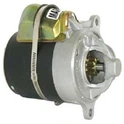

As a supplier of the 1.1KW Starter - Bosch PMGR, I understand the significance of a well - maintained starter for the smooth operation of various machinery. In this blog, I will delve into the maintenance schedule for the 1.1KW Starter - Bosch PMGR, providing you with essential information to ensure its long - term performance and reliability.
Understanding the 1.1KW Starter - Bosch PMGR
Before we discuss the maintenance schedule, let's briefly understand what the 1.1KW Starter - Bosch PMGR is. This starter is a crucial component in many automotive and industrial applications. It is designed to provide the initial torque required to start an engine or a motor. The Bosch PMGR technology ensures high efficiency, durability, and consistent performance. You can learn more about this product by visiting our 1.1KW Starter - Bosch PMGR page.
General Maintenance Guidelines
Maintenance of the 1.1KW Starter - Bosch PMGR should be carried out regularly to prevent unexpected breakdowns and to extend its service life. The following is a comprehensive maintenance schedule that you can follow:
Daily Checks
- Visual Inspection: Every day, take a few minutes to visually inspect the starter. Look for any signs of physical damage such as cracks, loose connections, or corrosion. Check the wiring harness for any frayed wires or loose terminals. A damaged wiring harness can lead to electrical problems and affect the starter's performance.
- Cleanliness: Keep the starter clean. Dirt, dust, and debris can accumulate on the starter over time, which may cause overheating and reduce its efficiency. Use a clean, dry cloth to wipe the surface of the starter.
Weekly Checks
- Electrical Connections: Check the electrical connections of the starter weekly. Make sure all the terminals are tight and free from corrosion. Loose or corroded connections can result in poor electrical conductivity, leading to starting problems. You can use a wire brush to clean the terminals if necessary.
- Mounting Bolts: Inspect the mounting bolts of the starter. Ensure that they are tightened properly. Loose mounting bolts can cause the starter to vibrate, which may damage the internal components.
Monthly Checks
- Insulation Resistance: Once a month, measure the insulation resistance of the starter. This can be done using a megohmmeter. A low insulation resistance may indicate a short - circuit or a damaged insulation, which needs to be addressed immediately.
- Brushes and Commutator: Check the condition of the brushes and the commutator. The brushes are responsible for conducting electricity to the armature, and the commutator distributes the electrical current. Worn - out brushes or a damaged commutator can cause starting failures. If the brushes are worn beyond the recommended limit, they should be replaced.
Quarterly Checks
- Lubrication: Some models of the 1.1KW Starter - Bosch PMGR may require lubrication at certain points. Refer to the manufacturer's manual to identify the lubrication points and use the recommended lubricant. Proper lubrication reduces friction and wear, ensuring smooth operation.
- Performance Testing: Perform a performance test on the starter every quarter. This can be done using a starter tester. The test will measure the starter's voltage, current, and torque output. Compare the test results with the manufacturer's specifications to ensure that the starter is operating within the normal range.
Annual Checks
- Complete Disassembly and Inspection: Once a year, disassemble the starter for a complete inspection. This allows you to check the internal components such as the armature, field coils, and bearings. Look for any signs of wear, damage, or overheating. Replace any worn - out or damaged components.
- Re - assembly and Calibration: After the inspection, re - assemble the starter and calibrate it according to the manufacturer's instructions. Proper calibration ensures that the starter operates at its optimal performance.
Special Considerations
- Harsh Environments: If the starter is used in a harsh environment such as high humidity, extreme temperatures, or dusty conditions, more frequent maintenance may be required. In such cases, daily visual inspections may need to be more thorough, and the cleaning intervals may need to be shortened.
- Heavy - Duty Applications: For heavy - duty applications where the starter is used frequently or under high load conditions, the maintenance schedule should be adjusted accordingly. Quarterly performance testing may need to be increased to monthly testing, and the annual disassembly and inspection may need to be carried out more often.
Other Related Products
In addition to the 1.1KW Starter - Bosch PMGR, we also offer other related products such as the 12V Starter - Bosch PMGR and the 8 - Tooth Pinion Starter - Bosch PMGR. These products are also designed with high - quality Bosch PMGR technology and follow similar maintenance guidelines.
Conclusion
Maintaining the 1.1KW Starter - Bosch PMGR according to the recommended schedule is essential for its reliable performance and long - term durability. By following the daily, weekly, monthly, quarterly, and annual maintenance checks, you can prevent many common problems and ensure that your starter operates smoothly. If you have any questions about the maintenance of the 1.1KW Starter - Bosch PMGR or are interested in purchasing our products, please feel free to contact us for further discussion and procurement negotiation.


References
- Bosch PMGR Starter Product Manual
- Automotive and Industrial Starter Maintenance Guides