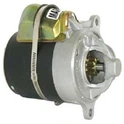

As a supplier of 12V Starter - Bosch PMGR, I often get inquiries about the noise level of these starters. In this blog post, I'll delve into what affects the noise level of the 12V Starter - Bosch PMGR, how it compares to other starters, and why it matters to you.
What is the 12V Starter - Bosch PMGR?
Before we discuss the noise level, let's briefly introduce what the 12V Starter - Bosch PMGR is. The Permanent Magnet Gear Reduction (PMGR) starters are designed to provide reliable starting power for vehicles. The 12V version is a common choice for many automotive applications. It uses permanent magnets instead of traditional field coils, which makes it more efficient and lighter.
Factors Affecting the Noise Level
1. Gear Design
The gear system in the Bosch PMGR starter plays a significant role in the noise it produces. The gears are designed to transfer power from the motor to the engine's flywheel. A well - designed gear set with precise teeth profiles can reduce the noise generated during the meshing process. For example, if the gears are not properly machined or aligned, they can produce a high - pitched whining or grinding noise.
2. Motor Design
The electric motor in the starter is another major source of noise. The rotation of the motor's armature and the interaction between the magnetic fields can create vibrations and noise. Bosch has engineered its PMGR motors to minimize these effects. However, factors such as the quality of the bearings used in the motor, the balance of the armature, and the type of commutation can all influence the noise level.
3. Mounting and Installation
How the starter is mounted in the vehicle also affects the noise level. If the starter is not properly secured, it can vibrate against the engine block or other components, amplifying the noise. Additionally, the use of proper vibration - dampening materials during installation can help reduce the transmission of noise to the vehicle's interior.
Measuring the Noise Level
The noise level of a starter is typically measured in decibels (dB). A quiet starter might produce noise levels in the range of 60 - 70 dB, while a noisier one could reach 80 - 90 dB. In a normal automotive environment, background noise from the engine, road, and wind can mask the starter noise to some extent. However, a very noisy starter can still be noticeable, especially during cold starts.

To measure the noise level accurately, specialized equipment such as a sound level meter is used. Tests are usually conducted in a controlled environment to eliminate external noise sources. Bosch conducts extensive testing on its PMGR starters to ensure that they meet strict noise level standards.
Comparison with Other Starters
Compared to traditional starters, the 12V Starter - Bosch PMGR generally has a lower noise level. Traditional starters often use field coils, which can produce more electromagnetic noise. In addition, the gear reduction design of the PMGR starter allows for a smoother transfer of power, reducing the mechanical noise associated with high - torque applications.
For example, some older style starters may produce a loud clunking noise when engaging with the flywheel. The Bosch PMGR starter, on the other hand, uses a more refined engagement mechanism that minimizes this type of noise.
Why the Noise Level Matters
1. Customer Comfort
In modern vehicles, customer comfort is a top priority. A noisy starter can be a nuisance to the driver and passengers, especially during early morning or late - night starts. A quiet starter contributes to a more pleasant driving experience.
2. Indication of Quality
A low noise level can also be an indicator of the overall quality of the starter. A well - engineered and manufactured starter is less likely to produce excessive noise. If a starter is noisy, it could be a sign of a problem, such as worn gears or a malfunctioning motor.
3. Compliance with Regulations
In some regions, there are regulations regarding the noise emissions of automotive components. A starter that meets or exceeds these noise level standards is more likely to be compliant, which is important for vehicle manufacturers and suppliers.
Our Product Range
We offer a variety of 12V Starter - Bosch PMGR products to meet different customer needs. For example, our 8 - Tooth Pinion Starter - Bosch PMGR is designed for specific engine applications where a particular pinion size is required. The 1.1KW Starter - Bosch PMGR provides a good balance of power and efficiency.
All our starters are manufactured in our 12V Starter - Bosch PMGR - factory, where we follow strict quality control procedures to ensure that each starter meets the high standards set by Bosch.

Conclusion
The noise level of the 12V Starter - Bosch PMGR is an important aspect that is influenced by various factors such as gear design, motor design, and mounting. Bosch has engineered these starters to have a relatively low noise level compared to traditional starters, which is beneficial for customer comfort, product quality, and regulatory compliance.
If you are in the market for a reliable and quiet 12V Starter - Bosch PMGR, we invite you to contact us for procurement and further discussion. We are committed to providing you with the best products and services.
References
- Bosch Automotive Handbook.
- Industry reports on automotive starter technology.