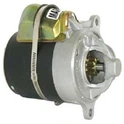

As a dedicated supplier of Alternator For Bosch, I've witnessed firsthand the critical role these alternators play in powering a wide range of vehicles and equipment. One of the most common questions I receive from customers is how to adjust the output of a Bosch alternator. In this blog post, I'll share my expertise on this topic, providing you with a step-by-step guide and valuable insights to help you optimize the performance of your Bosch alternator.
Understanding the Basics of Alternator Output
Before we dive into the adjustment process, it's essential to understand the fundamentals of alternator output. An alternator is a device that converts mechanical energy into electrical energy, providing power to the vehicle's electrical system and charging the battery. The output of an alternator is measured in volts and amperes, with the voltage typically ranging from 12V to 24V, and the amperage varying depending on the alternator's capacity.
The output of a Bosch alternator is regulated by a voltage regulator, which ensures that the electrical system receives a consistent and stable supply of power. The voltage regulator monitors the battery voltage and adjusts the alternator's output accordingly, preventing overcharging or undercharging of the battery.
Reasons for Adjusting Alternator Output
There are several reasons why you might need to adjust the output of a Bosch alternator. One common reason is to accommodate changes in the vehicle's electrical system, such as the addition of high-power accessories like audio systems, lighting, or winches. These accessories can place a significant demand on the electrical system, requiring the alternator to produce more power to meet the increased load.
Another reason for adjusting the alternator output is to address issues with battery charging. If the battery is not charging properly, it could be due to a low alternator output. By increasing the alternator's output, you can ensure that the battery receives enough power to maintain a full charge.
Step-by-Step Guide to Adjusting Alternator Output
Adjusting the output of a Bosch alternator requires some technical knowledge and the use of specialized tools. Here's a step-by-step guide to help you through the process:
Step 1: Gather the Necessary Tools
Before you begin, make sure you have the following tools on hand:
- Multimeter: This tool is used to measure the voltage and amperage of the alternator output.
- Screwdriver: You'll need a screwdriver to access the voltage regulator.
- Wrench: A wrench may be required to loosen or tighten any bolts or nuts.
Step 2: Locate the Voltage Regulator
The voltage regulator is typically located on the back of the alternator. Refer to your vehicle's service manual or the alternator's documentation to find the exact location of the voltage regulator.
Step 3: Disconnect the Battery
To prevent any electrical shock or damage to the alternator, disconnect the negative terminal of the battery before proceeding.
Step 4: Remove the Voltage Regulator Cover
Using a screwdriver, remove the cover of the voltage regulator. This will give you access to the adjustment screws or potentiometers.
Step 5: Measure the Alternator Output
Using a multimeter, measure the voltage and amperage of the alternator output. Connect the positive lead of the multimeter to the battery's positive terminal and the negative lead to the battery's negative terminal. Start the engine and let it idle. The multimeter should read between 13.5V and 14.5V, indicating that the alternator is producing the correct output.
Step 6: Adjust the Alternator Output
If the alternator output is too low or too high, you'll need to adjust the voltage regulator. Most voltage regulators have adjustment screws or potentiometers that can be turned to increase or decrease the alternator output. Use a screwdriver to turn the adjustment screw or potentiometer in small increments. After each adjustment, measure the alternator output again to see if it has changed.
Step 7: Reinstall the Voltage Regulator Cover
Once you've adjusted the alternator output to the desired level, reinstall the voltage regulator cover and tighten the screws.
Step 8: Reconnect the Battery
Reconnect the negative terminal of the battery.


Step 9: Test the Alternator Output
Start the engine and let it idle. Use the multimeter to measure the alternator output again to ensure that it is within the correct range.
Tips for Adjusting Alternator Output
- Make small adjustments: When adjusting the alternator output, make small adjustments at a time and measure the output after each adjustment. This will help you avoid over-adjusting the alternator and causing damage to the electrical system.
- Refer to the manufacturer's specifications: Always refer to the manufacturer's specifications for the correct alternator output voltage and amperage. This will ensure that you adjust the alternator output to the appropriate level.
- Use a quality multimeter: A quality multimeter is essential for accurately measuring the alternator output. Make sure your multimeter is calibrated and in good working condition.
Our Product Offerings
As a leading supplier of Alternator For Bosch, we offer a wide range of high-quality alternators to meet your needs. Our product lineup includes:
- 12V Alternator For Bosch-factory: This alternator is designed to provide reliable power for vehicles with a 12V electrical system.
- 180A Alternator for Bosch: With a high amperage output of 180A, this alternator is suitable for vehicles with high-power electrical accessories.
- 12V Alternator for Bosch: Another option for vehicles with a 12V electrical system, this alternator offers excellent performance and reliability.
Contact Us for Purchase and Consultation
If you're interested in purchasing an Alternator For Bosch or have any questions about adjusting the alternator output, we're here to help. Our team of experts has extensive knowledge and experience in the field of alternators and can provide you with the guidance and support you need. Contact us today to start the procurement negotiation process and find the perfect alternator for your needs.
References
- Bosch Automotive Handbook.
- Vehicle service manuals for specific models.