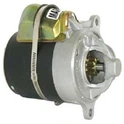

Hey there! As a supplier of PMGR starters for Ford, I'm super stoked to take you through the production process of these nifty little gadgets. So, let's dive right in!
1. Design and Planning
First things first, before we even start making anything, we've got to have a solid plan. Our design team gets together and studies the Ford vehicles these starters are gonna go into. They look at the engine specs, the electrical system, and all that jazz to figure out what the starter needs to do. We're talking about things like the right amount of power it needs to crank the engine, the size it has to be to fit in the engine bay, and how it'll connect to the rest of the system.
We also use some pretty high - tech software to create 3D models of the starter. This helps us visualize how it'll look and work, and we can make changes and improvements before we actually start building physical prototypes. It's like having a virtual playground where we can test different ideas without wasting a ton of time and materials.
2. Material Sourcing
Once the design is all set, it's time to get the materials. We source high - quality components from trusted suppliers. For the housing, we usually go for durable metals that can withstand the heat and vibrations under the hood. The magnets in the PMGR (Permanent Magnet Gear Reduction) starter are super important. We use strong permanent magnets that provide the necessary magnetic field for the motor to work efficiently.
The gears are made from tough alloys that can handle the stress of starting the engine. And the electrical components, like the brushes and the armature, are carefully selected to ensure reliable electrical conductivity. We don't cut corners here because we know that the quality of the materials directly affects the performance and longevity of the starter.
3. Manufacturing the Components
Now, let's talk about making the actual parts. The housing is usually made through a process called die - casting. In die - casting, molten metal is injected into a mold under high pressure. This allows us to create complex shapes with high precision. After the metal cools and solidifies, the housing is removed from the mold and then goes through some finishing processes, like machining to get the right dimensions and surface finish.
The magnets are manufactured separately. They're made from special magnetic materials and are shaped and magnetized to the required specifications. The gears are produced through a combination of machining and heat - treating processes. Machining is used to cut the gears to the right shape and size, and heat - treating makes them strong and wear - resistant.
The armature, which is a key part of the motor, is also carefully manufactured. It consists of a shaft with a series of windings. The windings are made of copper wire, and they're wound around the shaft in a specific pattern. This creates an electromagnetic field when electricity is applied, which is what makes the motor turn.


4. Assembly
Once all the components are ready, it's time to put them all together. Assembly is a critical step, and we have a well - organized production line for this. The first step is to install the magnets inside the housing. This has to be done carefully to ensure that the magnetic field is evenly distributed.
Next, the armature is inserted into the housing. The brushes, which transfer electricity to the armature, are then installed. The gears are also assembled onto the shaft, and we make sure that they mesh properly. This is important because if the gears don't work well together, the starter won't function correctly.
After the main components are assembled, we add some additional parts, like the solenoid. The solenoid is responsible for engaging the starter with the engine's flywheel. It's basically an electromagnet that moves a lever to push the pinion gear into contact with the flywheel when you turn the ignition key.
5. Quality Control
We can't just send these starters out the door without making sure they're up to snuff. That's where quality control comes in. We have a series of tests that each starter has to pass before it gets the green light.
First, we do a visual inspection. We check for any visible defects, like cracks in the housing, loose connections, or damaged components. Then, we perform electrical tests. We connect the starter to a test bench and apply power to see how it performs. We measure things like the current draw, the torque output, and the speed of the motor.
We also do a functional test where we simulate the starting process. We connect the starter to a dummy engine and see if it can crank the engine smoothly. If a starter fails any of these tests, it goes back to the repair area, where our technicians figure out what's wrong and fix it. Only after it passes all the tests is it considered ready for the market.
6. Packaging and Shipping
Once the starters pass quality control, they're ready to be packaged. We use sturdy packaging materials to protect the starters during shipping. The packaging usually includes some protective padding and a label with all the necessary information, like the part number, the model it fits, and some basic installation instructions.
We work with reliable shipping companies to get the starters to our customers as quickly and safely as possible. Whether it's a local auto parts store or a large - scale automotive manufacturer, we make sure that the starters arrive in perfect condition.
7. Our Product Range
We offer a variety of PMGR starters for Ford vehicles. For example, we have the 10 - tooth Pinion PMGR Starter for Ford. This starter is designed with a 10 - tooth pinion gear, which is suitable for specific Ford models. It provides a reliable starting solution with its efficient PMGR technology.
We also have the 12 Volt PMGR Starter for Ford. As the name suggests, it operates at 12 volts, which is the standard voltage in most automotive electrical systems. This starter is known for its high performance and durability.
And then there's the 1.4KW PMGR Starter for Ford. With a power output of 1.4 kilowatts, it's capable of providing the necessary torque to start larger Ford engines.
Conclusion
So, that's the production process of our PMGR starters for Ford in a nutshell. We take a lot of pride in making these starters, and we're constantly working on improving our processes and products. If you're in the market for a high - quality PMGR starter for your Ford vehicle, or if you're an auto parts distributor looking to stock our products, we'd love to hear from you. Whether you have questions about our products, want to place an order, or just want to learn more about the production process, don't hesitate to reach out. We're here to provide you with the best solutions for your Ford starting needs.
References
- Automotive Manufacturing Handbook
- Principles of Electric Motors and Starters